
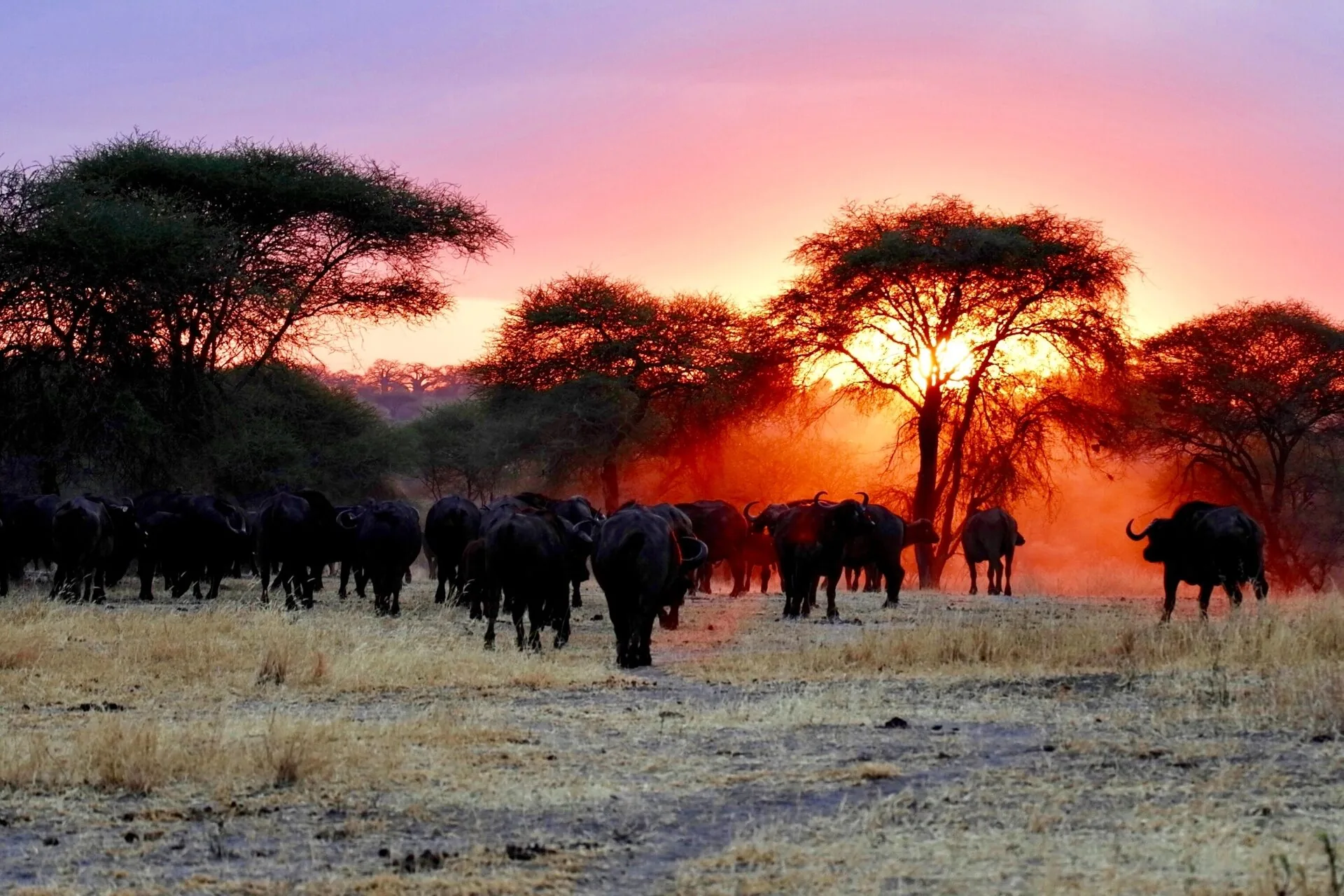
Tanzania Safari Guide 2026 — Serengeti, Ngorongoro & Beyond
Welcome, intrepid adventurer, to the ultimate guide to experiencing the raw, untamed heart of Africa – Tanzania. As a seasoned safari authority, I bring you this comprehensive resource to plan your unforgettable journey in 2026. Tanzania is more than just a destination; it's an immersive experience where ancient landscapes meet an astonishing abundance of wildlife. From the legendary Great Migration across the Serengeti plains to the unique ecosystem of the Ngorongoro Crater, the towering majesty of Kilimanjaro, and the remote wilderness of the south, Tanzania offers a spectrum of adventures to suit every dream. This guide will equip you with all the knowledge you need to navigate its wonders, ensuring your safari is not just a trip, but a transformative encounter with nature.
In 2026, Tanzania continues to uphold its reputation as the premier safari destination in East Africa, thanks to its commitment to conservation, incredible wildlife density, and a well-developed tourism infrastructure. Whether you dream of witnessing predator-prey dynamics, trekking with chimpanzees, or simply soaking in breathtaking vistas, Tanzania delivers. Let's delve into the details and start crafting your bespoke African odyssey.
The Northern Circuit: Tanzania's Iconic Heartland
The Northern Circuit is Tanzania's most famous safari route, home to iconic parks and reserves that offer exceptional wildlife viewing opportunities. It's an ideal choice for first-time visitors and those seeking the classic safari experience.
Serengeti National Park: The Land of Endless Plains
The Serengeti, a UNESCO World Heritage Site, is synonymous with the Great Migration, and for good reason. Its vast savannas, dotted with acacia trees and granite kopjes, are a stage for one of the greatest natural spectacles on Earth.
#### The Great Migration: A Year-Round Phenomenon
The Great Migration is not a single event but a continuous, circular movement of over 1.5 million wildebeest, 250,000 zebra, and hundreds of thousands of gazelles in search of fresh grazing and water. Predicting its exact timing is challenging as it's governed by rainfall patterns, but generally, the pattern unfolds as follows:
- January - March (Southern Serengeti/Ndutu): Calving Season & Predator Action. This is a prime time to witness hundreds of thousands of wildebeest congregating in the southern Serengeti and Ngorongoro Conservation Area for calving. The plains burst with new life, attracting predators like lions, cheetahs, and hyenas. It's a high-drama period for wildlife photographers.
- April - May (Western Serengeti/Grumeti): The ‘March’ West. As the southern plains dry out, the herds begin their arduous journey west, entering the Grumeti Reserve. This is often characterized by long lines of wildebeest on the move, with river crossings over the Grumeti River commencing later in May/early June. Lodges in the Western Corridor offer excellent viewing.
- June - July (Western Corridor / Northern Serengeti): Grumeti & Mara River Crossings Begin. The migration gathers momentum as it moves further north. The famous Grumeti River crossings are a highlight, a true test of survival against crocodiles. By late July, the vanguard reaches the northern Serengeti.
- August - October (Northern Serengeti / Maasai Mara - Kenya): The Iconic Mara River Crossings. This is the iconic image of the Great Migration – hundreds of thousands of wildebeest plunging into the Mara River, facing crocodiles and strong currents, with predators lurking on both banks. While a portion crosses into Kenya's Maasai Mara, a significant number remain on the Tanzanian side, making the northern Serengeti an exceptional location.
- November - December (Eastern Serengeti / Southern Serengeti): Returning South. Following the short rains, the herds begin their journey back south, moving through the eastern Serengeti plains, completing their annual cycle and heading towards their calving grounds.
- Central Serengeti (Seronera): The heart of the Serengeti, offering excellent year-round predator viewing due to permanent water sources and abundant resident wildlife. Leopards are frequently spotted in the kopjes and riverine forests. Ideal for first-time visitors as it offers a good microcosm of the park's diversity.
- Western Corridor (Grumeti Reserve): Important for the migration in May and June, home to the Grumeti River crossings. Offers a more exclusive safari experience with fewer crowds. Known for large crocodile populations.
- Northern Serengeti (Kogatende & Lamai Triangle): The primary location for the dramatic Mara River crossings from August to October. Characterized by rolling hills, rocky outcrops, and riverine forests. Excellent general wildlife viewing even outside the migration period.
- Southern Serengeti/Ndutu Area (Ngorongoro Conservation Area): The calving grounds from January to March, offering phenomenal predator interactions and the spectacle of new life. Often combined with Ngorongoro Crater.
Ngorongoro Crater: The Eighth Wonder of the World
Often called 'Africa's Garden of Eden,' the Ngorongoro Crater is a magnificent natural wonder. This UNESCO World Heritage Site is the world's largest intact volcanic caldera, forming a natural enclosure for an incredible density of wildlife. Within its 260 sq km floor, you can find the 'Big Five' (lion, leopard, elephant, rhino, and buffalo) in a single day. The crater floor is a diverse ecosystem of grasslands, swamps, forests, and a central lake, supporting an estimated 25,000 large mammals. It's one of the best places in Africa to see the critically endangered black rhino.
- Wildlife: Exceptional year-round wildlife viewing. Lions are practically guaranteed, and often seen hunting. Elephants, buffalo, zebras, wildebeest, hippos, and a vast array of birdlife are abundant. Leopard sightings are rarer but possible. The elusive black rhino is a major draw.
- Activities: Game drives on the crater floor are limited to a maximum of 6 hours per vehicle, to minimize impact. Scenic views from the crater rim are breathtaking.
- Conservation: The Ngorongoro Conservation Area is unique as it allows Maasai pastoralists to live within its boundaries, coexisting with wildlife.
Tarangire National Park: Elephant Country
Tarangire, named after the Tarangire River that flows through it, is renowned for its enormous elephant herds, ancient baobab trees, and migratory nature during the dry season.
- Wildlife: Best visited during the dry season (June to October), when thousands of animals, especially elephants, congregate along the Tarangire River. It's also home to tree-climbing lions (though less famous than Manyara's), leopards, and various antelope species. Excellent birding opportunities.
- Landscape: Distinctive for its massive baobab trees that dot the landscape, creating a truly African vista.
- Activities: Game drives, walking safaris (some lodges offer), and night drives (in certain areas/lodges).
Lake Manyara National Park: Tree-Climbing Lions & Flamingoes
A smaller but incredibly scenic park, Lake Manyara is nestled at the base of the Great Rift Valley escarpment. It's famous for its tree-climbing lions, which are often seen lounging in acacia trees, and its impressive flamingo populations when water levels are right.
- Wildlife: In addition to tree-climbing lions, you'll find large troops of baboons, elephants, buffalo, hippos, and a diverse range of birdlife. The shallow soda lake attracts thousands of flamingos and other water birds.
- Landscape: The park encompasses a dramatic landscape including a dense groundwater forest, savannas, and the alkaline lake itself.
- Activities: Game drives, canoeing on the lake (seasonal), and cultural visits to local Mto wa Mbu village.
The Southern & Western Circuits: Off-the-Beaten-Path Adventures
For those seeking a more remote, wild, and exclusive safari experience, Tanzania's Southern and Western Circuits are unparalleled. These parks are larger, less crowded, and offer a truly immersive wilderness encounter.
Selous Game Reserve (Nyerere National Park): Africa's Largest Wilderness
Nyerere National Park, formerly the northern part of the Selous Game Reserve and now Africa's largest national park, is a vast and untamed wilderness, a UNESCO World Heritage Site defined by the Rufiji River and its network of lakes and channels. It offers a distinct safari experience compared to the north.
- Wildlife: Known for its large populations of elephants, buffalo, hippos, crocodiles, and wild dogs (painted wolves), which are one of Africa's most endangered predators. Lion and leopard sightings are also excellent. Birdlife is prolific.
- Activities: Unlike the Northern Circuit, Nyerere offers unique activities beyond game drives: boat safaris along the Rufiji River (a highlight), walking safaris, and traditional game drives. Night safaris can also be arranged by certain camps.
- Landscape: Dominated by miombo woodlands, open grasslands, and the sprawling Rufiji River system with its tributaries and oxbow lakes.
Ruaha National Park: Untamed and Robust
Ruaha is Tanzania's largest national park, a wild and rugged landscape characterized by dramatic escarpments, ancient baobabs, and the Great Ruaha River. It's a favorite among safari connoisseurs for its untouched feel and excellent predator sightings.
- Wildlife: Boasts Africa's largest population of elephants, and one of the highest concentrations of lions (including large prides). Also a stronghold for wild dogs, cheetahs, leopards, and diverse antelope species including the Greater Kudu. It's a fantastic birding destination with over 570 species recorded.
- Activities: Primarily game drives, but some lodges offer walking safaris.
- Landscape: A diverse landscape including miombo woodlands, open plains, rocky kopjes, and the life-giving Great Ruaha River, which acts as a magnet for wildlife during the dry season.
Mahale Mountains National Park: Chimpanzee Trekking
Situated on the western border of Tanzania, overlooking the pristine waters of Lake Tanganyika, Mahale Mountains National Park is renowned for its population of wild chimpanzees. It's a remote, exclusive, and truly special destination.
- Wildlife: The primary draw is chimpanzee trekking, offering an intimate encounter with our closest primate relatives. The park is home to around 800 chimpanzees, including the habituated Mimikere (M-group). Other primates, forest birds, and unique forest-dwelling animals can also be seen.
- Activities: Chimpanzee trekking is the main activity, often involving several hours of hiking through dense forest. Boating on Lake Tanganyika, fishing, and kayaking are also popular.
- Landscape: Lush mountain rainforests sloping down to the white sandy beaches of Lake Tanganyika, creating a stunning backdrop.
Gombe Stream National Park: Jane Goodall's Legacy
Another western park on Lake Tanganyika, Gombe is smaller than Mahale but equally significant. It's famous as the site where Dr. Jane Goodall conducted her groundbreaking research on chimpanzees. Access is typically by boat from Kigoma.
- Wildlife: Habituated chimpanzees are the main attraction. Other primates like baboons, red-tailed monkeys, and blue monkeys are also present. Diverse birdlife.
- Activities: Chimpanzee trekking, forest walks, swimming in Lake Tanganyika.
Mount Kilimanjaro Climbing Overview: A Summit Dream
Standing at 5,895 meters (19,341 feet), Mount Kilimanjaro is Africa's highest peak and the world's highest free-standing mountain. Its snow-capped summit, Uhuru Peak, is an iconic sight and a challenging but achievable goal for thousands of trekkers annually. No technical climbing experience is required, but a good level of physical fitness and mental fortitude are essential.
Popular Climbing Routes
Each route offers a different experience, varying in scenery, difficulty, and acclimatization profile.
- Machame Route (6-7 days): The 'Whiskey Route,' highly popular and scenic, known for good acclimatization profile with its 'climb high, sleep low' approach. Moderate to difficult.
- Lemosho Route (7-8 days): Considered the most scenic and a longer, more remote approach than Machame. Excellent for acclimatization and higher success rates. Moderate.
- Rongai Route (6-7 days): The only route that approaches Kilimanjaro from the north, near the Kenyan border. Drier, less crowded. Moderate. Good if climbing during the rainy season.
- Marangu Route (5-6 days): The 'Coca-Cola Route,' the oldest and most traditional route. Offers hut accommodation, which some find less authentic. Shorter and steeper, leading to lower success rates for 5-day treks. Moderate.
- Northern Circuit (9-10 days): The longest and newest route, offering the best acclimatization and highest success rates. It circles the quieter northern slopes. Moderate.
Key Considerations for Climbing Kilimanjaro
- Acclimatization: Time spent on the mountain is crucial. Longer routes (7+ days) significantly increase summit success rates and reduce the risk of altitude sickness.
- Physical Fitness: Intense training including cardiovascular exercises, strength training, and hiking with a weighted pack should begin months in advance.
- Gear: Proper layering for extreme temperature changes, waterproof and windproof outerwear, sturdy hiking boots, and a quality sleeping bag are essential. Your tour operator will provide a comprehensive packing list.
- Crew: You'll be accompanied by a lead guide, assistant guides, porters, and a cook. Their expertise and support are integral to your success.
- Best Time to Climb: The drier seasons, January-March and June-October, offer the best conditions. However, it's possible to climb year-round, with rain and snow being more prevalent in the shoulder seasons.
- Altitude Sickness (AMS): A serious consideration. Understanding symptoms and communicating with your guide is vital. Descending is the only cure for severe AMS.
Migration Calendar 2026
While rainfall patterns dictate the exact movements, here's a general guide for the Great Migration in 2026:
- January - March: Southern Serengeti / Ndutu Plains. Calving season, high predator action. Stay in Ndutu, Southern Serengeti, or Ngorongoro Conservation Area lodges.
- April - May: Central and Western Serengeti. Herds begin moving west. Can be a challenging time to track, but Western Corridor becomes active by late May. Stay in Central or Western Serengeti lodges.
- June - July: Western Corridor and increasingly to Northern Serengeti. Grumeti River crossings begin in the Western Corridor. By late July, herds push towards the Mara River in the North. Stay in Western Corridor (June) or Northern Serengeti (July) lodges.
- August - October: Northern Serengeti (Kogatende/Lamai Wedge). The famous Mara River crossings. Best chance to witness this spectacle. Stay in Northern Serengeti lodges.
- November - December: Eastern and Central Serengeti, moving southwards. Herds disperse and begin their journey back to the calving grounds. Stay in Eastern or Central Serengeti lodges.
Lodge Recommendations by Budget (2026 Pricing Estimates)
Choosing the right accommodation significantly enhances your safari experience. Prices are per person per night, based on double occupancy, and are estimates for 2026, often including full board, game drives, park fees, and sometimes local flights. Always check with your tour operator for exact inclusions.
Northern Circuit Lodges
#### Luxury (US$1,000+ per person per night)
- Serengeti: Singita Sasakwa Lodge (ultra-luxury, Grumeti Reserve), and Lamai Serengeti (Northern Serengeti, excellent for migration).
- Ngorongoro: &Beyond Ngorongoro Crater Lodge (opulent, stunning views).
- Tarangire: Chem Chem Safari Lodge (exclusive, focus on walking safaris and conservation).
- Lake Manyara: Manyara Tree Lodge (&Beyond, unique treehouse experience).
- Serengeti: Ubuntu Migration Camp (mobile camp, follows migration), Siringit Serengeti Camp, Asilia Olakira Migration Camp (mobile camp).
- Ngorongoro: Entamanu Ngorongoro (exclusive setting on crater rim), Kitela Lodge (Karatu, great value).
- Tarangire: Tarangire Treetops (unique 'treehouse' rooms), Oliver's Camp (Tarangire's wild southern reaches).
- Lake Manyara: Lake Manyara Serena Safari Lodge (stunning views, good facilities).
- Serengeti: Serengeti Kati Kati Camp (comfortable tented camp), Ang'ata Serengeti Camp (multiple locations across the park).
- Ngorongoro: Rhino Lodge Ngorongoro (good value, on crater rim), Karatu Safari Camp & Lodge (outside crater, good for day trips).
- Tarangire: Tarangire Safari Lodge (great views, classic safari feel).
- Lake Manyara: Manyara Wildlife Camp (comfortable, good value).
Southern Circuit Lodges
#### Luxury (US$800+ per person per night)
- Nyerere (Selous): Roho ya Selous (Asilia, excellent guides), Sand Rivers Selous (iconic, boat safaris).
- Ruaha: Kichaka Frontier Camp (ultra-exclusive, fly-camping), Jabali Ridge (Asilia, stunning architecture).
- Mahale: Greystoke Mahale (iconic, luxurious, on Lake Tanganyika).
- Nyerere (Selous): Siwandu Camp (great location, classic tented camp), Azura Selous (riverside camp).
- Ruaha: Mdonya Old River Camp (rustic charm, great wildlife), Kwihala Camp (focus on walking safaris).
Sample Itineraries (2026 Focus)
These itineraries are suggestions; customize them based on your interests, budget, and travel dates.
Northern Circuit 7-Day Classic Safari (May to October focus)
- Day 1: Arusha to Tarangire National Park. Arrive at Kilimanjaro International Airport (JRO), transfer to Arusha for a briefing, then drive to Tarangire (approx. 2-3 hours). Afternoon game drive. Overnight in Tarangire.
- Day 2: Tarangire National Park. Full day game drives in Tarangire, focusing on elephants and baobab landscapes. Overnight in Tarangire.
- Day 3: Tarangire to Serengeti National Park (Central). Morning game drive, then drive to Central Serengeti (approx. 4-5 hours), with game viewing en route. Afternoon game drive in Seronera Valley. Overnight in Central Serengeti.
- Day 4: Central Serengeti National Park. Full day game drives in Central Serengeti, exploring predator-rich areas. Overnight in Central Serengeti.
- Day 5: Central Serengeti to Ngorongoro Conservation Area. Morning game drive as you depart the Serengeti, then drive to the Ngorongoro Crater rim (approx. 3-4 hours). Enjoy the crater views. Overnight on Ngorongoro Crater Rim.
- Day 6: Ngorongoro Crater Tour. Early descent into the Ngorongoro Crater for a half-day game drive (max 6 hours). Ascend from the crater and drive back to Arusha for overnight or direct to Kilimanjaro Airport for departure. Overnight in Arusha.
- Day 7: Departure. Transfer to JRO for your international flight or onward to Zanzibar.
Southern Circuit 10-Day Deep Wilderness Safari (June to October focus)
- Day 1: Arrive Dar es Salaam & Fly to Nyerere National Park (Selous). Arrive at Julius Nyerere International Airport (DAR), transfer for your light aircraft flight to Nyerere NP. Met by camp staff, transfer to camp, afternoon boat safari on the Rufiji River. Overnight in Nyerere NP.
- Day 2-3: Nyerere National Park. Enjoy varied activities: full-day game drives, walking safaris (morning), and further boat safaris. Focus on wild dogs, elephants, and hippos. Overnights in Nyerere NP.
- Day 4: Fly Nyerere to Ruaha National Park. Morning activity, then transfer to airstrip for light aircraft flight to Ruaha NP. Met by camp staff, transfer to camp, afternoon game drive. Overnight in Ruaha NP.
- Day 5-6: Ruaha National Park. Full days of game drives along the Great Ruaha River and across the plains. Focus on large lion prides, elephants, and diverse antelope. Overnights in Ruaha NP.
- Day 7: Fly Ruaha to Mahale Mountains National Park. Morning activity, then transfer to airstrip for light aircraft flight to Kigoma. From Kigoma, a scenic boat transfer across Lake Tanganyika to Mahale Mountains NP. Overnight in Mahale.
- Day 8-9: Mahale Mountains National Park. Two full days dedicated to chimpanzee trekking. Mornings involve hiking with guides to find the chimps. Afternoons can be spent swimming/snorkeling in Lake Tanganyika, kayaking, or relaxing on the beach. Overnights in Mahale.
- Day 10: Depart Mahale. Morning boat transfer to Kigoma, light aircraft flight back to Dar es Salaam for international departure or extension to Zanzibar.
Zanzibar Beach Extension: Spice & Serenity
Often combined with a safari, the 'Spice Island' of Zanzibar offers a perfect post-safari retreat. Its white sandy beaches, azure waters, and rich history provide an ideal contrast to the dust and adventure of the mainland.
Key Attractions
- Stone Town (UNESCO World Heritage Site): Explore the labyrinthine alleys, historic buildings, bustling markets, and intricately carved doors of this ancient trade city. Don't miss the Forodhani Gardens food market at sunset.
- Beaches:
- Spice Tours: Immerse yourself in the island’s history as a spice trade hub. Learn about and taste various spices, fruits, and herbs.
- Prison Island: Home to giant Aldabra tortoises and historic prison ruins.
- Diving & Snorkeling: Explore vibrant coral reefs and abundant marine life in protected areas like Mnemba Atoll (near Matemwe Bay).
Lodge Recommendations (Zanzibar)
#### Luxury (US$400+ per room per night)
- North Coast: Zuri Zanzibar, Essque Zalu Zanzibar.
- East Coast: The Residence Zanzibar (south-west), Baraza Resort and Spa, &Beyond Mnemba Island (private island, ultra-luxe).
- Stone Town: Park Hyatt Zanzibar.
- North Coast: Kendwa Rocks, Royal Zanzibar Beach Resort.
- East Coast: Matemwe Lodge, Pongwe Beach Hotel.
- Stone Town: Emerson on Hurumzi (boutique, historic charm).
- Jambiani/Paje: Paje by Kite, New Teddys on the Beach.
- Stone Town: Tembo House Hotel (historic, good location).
Internal Flights & Transportation
Given the vast distances in Tanzania, particularly between parks, internal flights are often the most practical and efficient way to travel, especially for Southern and Western Circuit safaris.
- Northern Circuit: While some transfers between parks (e.g., Arusha to Tarangire, Ngorongoro) can be done by road in safari vehicles, flights are often used for longer stretches such as Serengeti to Arusha, or connecting to Kilimanjaro for departure.
- Southern & Western Circuits: Internal flights are almost essential for these remote regions.
- Major Domestic Airlines: Coastal Aviation, Regional Air, Auric Air, Safari Air Link. These operate light aircraft (Cessnas, Caravans) on scheduled routes. Private charters are also available.
- Vehicle Transportation: All safari vehicles are custom-built 4x4s (typically Toyota Land Cruisers or Land Rovers) with pop-up roofs for optimal game viewing and photography. They are driven by experienced safari guides.
Costs Breakdown 2026: What to Expect
Safari costs vary dramatically based on duration, parks visited, accommodation style, and time of year. Here's a general breakdown to help you budget for 2026.
Key Cost Components
- International Flights: (Not included in safari package prices) ~US$1,000 - US$2,500+ per person from major international hubs, depending on origin, airline, and booking time.
- Park Fees & Conservation Levies: These are substantial in Tanzania, typically US$70-80 per person per day for national parks, slightly less for conservation areas. Included in good safari packages.
- Accommodation: The biggest variable.
- Safari Activities: Game drives, walking safaris, boat safaris. Often included in package price.
- Internal Flights: US$150 - US$500+ per leg per person, depending on distance and airline. Crucial for Southern/Western circuits.
- Guide & Vehicle: Often included in package price. For private safaris, this is a dedicated 4x4 and driver-guide.
- Tips/Gratuities: Recommended for guides (US$20-30/day), cooks (US$15-20/day for Kilimanjaro treks), camp staff (US$5-10/day).
- Visa: US$100 for U.S. citizens, US$50 for most others. Apply online in advance.
- Travel Insurance: Absolutely essential. Covers medical emergencies, trip cancellation, lost luggage.
- Vaccinations/Medications: Consult your doctor. Malaria prophylaxis is usually recommended. Yellow Fever certificate sometimes required if coming from an endemic country.
Estimated Safari Package Costs (Per Person for a 7-day example, excluding international flights & tips)
- Budget Northern Circuit: US$2,500 - US$4,000 (mixing basic safaris and potentially some camping)
- Mid-Range Northern Circuit: US$4,500 - US$7,500 (comfort tented camps/lodges, 4x4, mix of shared/private drives)
- Luxury Northern Circuit: US$8,000 - US$15,000+ (exclusive lodges, private vehicle, often includes some internal flights)
- Mid-Range Southern/Western Circuit: US$6,000 - US$9,000 (air transfers essential, specific activity costs like chimp permits)
- Luxury Southern/Western Circuit: US$10,000 - US$20,000+ (top-tier lodges, private charters, specialized experiences)
Photography Spots & Tips
Tanzania offers boundless opportunities for incredible wildlife and landscape photography. Here's where to find those iconic shots and how to capture them.
Top Photography Locations
- Serengeti National Park:
- Ngorongoro Crater:
- Tarangire National Park:
- Lake Manyara National Park:
- Nyerere National Park (Selous):
- Ruaha National Park:
- Mahale Mountains National Park:
Photography Tips for Safari
- Telephoto Lens: A 200-500mm or equivalent is ideal for wildlife. A wider lens (24-70mm) for landscapes and general shots.
- Bean Bag: Essential for steadying your camera in the safari vehicle and getting sharp shots at longer focal lengths.
- Spare Batteries and Storage: You'll be taking many photos! A portable charger is also useful.
- Dust Protection: Keep your camera gear in a dust-proof bag when not in use. Avoid changing lenses in dusty conditions.
- Lighting: Golden hours (early morning and late afternoon) offer the best light for photography. Harsh midday sun is challenging.
- Patience: Wildlife photography is often about waiting. Be ready when the moment strikes.
- Composition: Experiment with leading lines, rule of thirds, and foreground elements to create compelling images.
- Respect Wildlife: Always maintain a safe distance and never disturb animals for a photo. Listen to your guide. Their knowledge is invaluable for positioning and sighting.
Start Planning Your Journey
Speak to our East Africa Guide™ travel experts for a personalised itinerary tailored to your interests.