
East Africa Guide™: The Complete Travel Guide 2026
Welcome, intrepid traveler, to the definitive guide for your 2026 East African adventure. As a seasoned expert who has traversed these lands repeatedly, I assure you that East Africa is not merely a destination; it's a transformative experience. From the savannas teeming with wildlife to the pristine shores of the Indian Ocean, and the mist-shrouded mountains sheltering our closest primate relatives, this region offers an unparalleled tapestry of nature, culture, and adventure. This guide will equip you with everything you need to plan an unforgettable journey, navigating the practicalities and maximizing your encounters with this incredible corner of the world.
Why Visit East Africa?
East Africa, a geographical and cultural heartland, beckons with an irresistible allure. It's a place where iconic landscapes are painted with the drama of the wild, and ancient cultures thrive amidst modern aspirations. Here’s why your 2026 travel plans should unequivocally include East Africa:
Unrivaled Wildlife Spectacles
The Great Migration, an epic saga of millions of wildebeest and zebra traversing the Serengeti and Maasai Mara, is the earth's largest terrestrial mammal migration and a spectacle that defies description. Beyond this, the 'Big Five' (lion, leopard, elephant, rhino, buffalo) are readily found, alongside an astonishing diversity of birds, primates, and smaller carnivores.Diverse and Breathtaking Landscapes
From the towering snow-capped peaks of Kilimanjaro to the vast plains of the Serengeti, the dense rainforests of Uganda and Rwanda, and the idyllic turquoise waters of the Indian Ocean surrounding Seychelles and Mauritius, East Africa is a visual feast. Volcanic landscapes, sprawling lakes like Victoria and Tanganyika, and arid deserts each offer unique beauty.Rich Cultural Heritage
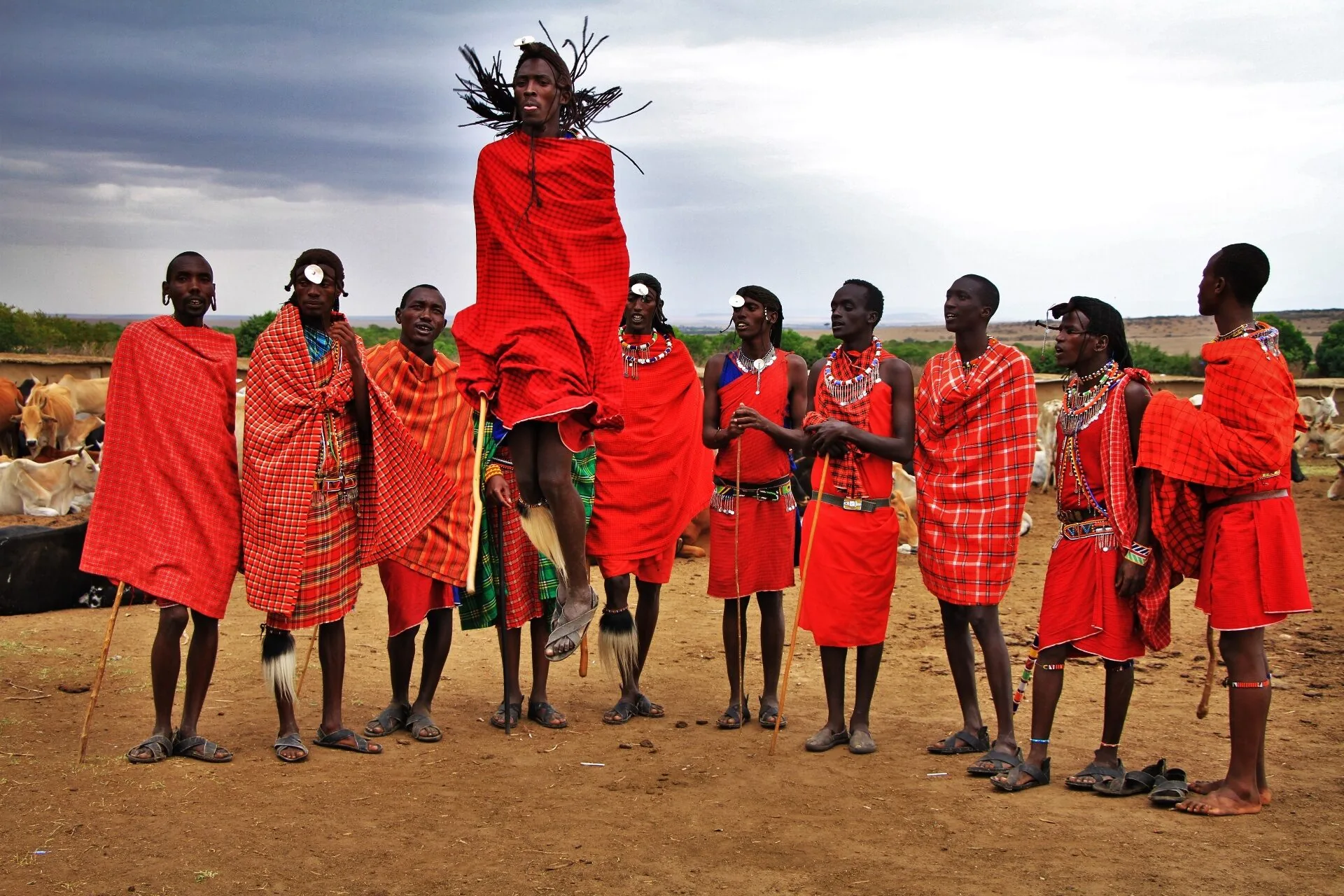
Encounter the vibrant traditions of the Maasai, the sophisticated artistry of Rwandan weavers, the ancient Swahili culture of Zanzibar, and the warm hospitality of Ugandans. Each interaction provides a deeper understanding of humanity's enduring spirit and resilience.Primate Encounters
Gorilla trekking in Rwanda's Volcanoes National Park or Uganda's Bwindi Impenetrable Forest offers a profoundly moving and intimate encounter with critically endangered mountain gorillas – a true bucket-list experience that few places on Earth can provide.Pristine Beaches and Island Paradise
After exhilarating safaris, unwind on the soft white sands of Zanzibar, explore the volcanic marvels and luxurious resorts of Mauritius, or discover the untouched natural beauty of the Seychelles, boasting some of the world’s most Instagrammable beaches and crystal-clear waters for diving and snorkeling.Adventure and Adrenaline
Beyond wildlife viewing, East Africa offers mountaineering (Kilimanjaro, Mount Kenya, Rwenzoris), white-water rafting on the Nile, hot air balloon safaris, quad biking, cultural village visits, and world-class diving and snorkeling. The possibilities for adventure are endless.The Six Jewels of East Africa
Our focus will be on the prime destinations for an unforgettable 2026 journey, offering a blend of wildlife, culture, and relaxation.
Kenya: The Cradle of Safari
Kenya is synonymous with safari, offering classic wildlife experiences and vibrant cultures.
Best Experiences in Kenya
- Maasai Mara National Reserve: Witness the Great Migration (July-October), abundant lion and cheetah sightings. Hot air balloon safaris are iconic.
- Amboseli National Park: Iconic views of Mount Kilimanjaro with large herds of elephants.
- Samburu National Reserve: Unique 'Samburu Big Five' (Grevy's zebra, reticulated giraffe, Beisa oryx, Somali ostrich, gerenuk).
- Lake Nakuru National Park: Rhino sanctuary and often numerous flamingos.
- Coastal Relaxation: Diani Beach and Lamu Island offer historical charm and pristine beaches.
- Cultural Immersion: Interact with the Maasai, Samburu, and Swahili people.
Specific Park/Lodge Examples and Costs
- Maasai Mara National Reserve: Park fees are $80 per adult per 24 hours (non-resident). Mid-range lodges like Porini Camp Masai Mara ($700-$1000 per person per night, all-inclusive) or luxury options like Angama Mara ($1,500-$2,500+ per person per night, all-inclusive) provide exceptional experiences. Budget camping safaris can start from $250-$400 per person per night.
- Amboseli National Park: Park fees $60 per adult per 24 hours. Lodges like Amboseli Serena Safari Lodge ($350-$600 per night) or Tortilis Camp Amboseli (luxury, $800-$1200+ per night).
- Diani Beach Resorts: Mid-range resorts like Diani Reef Beach Resort & Spa ($200-$400 per night) to luxury boutique hotels.
What makes Kenya unique?
Kenya provides the classic safari narrative – endless plains, dramatic wildlife encounters, and the enduring image of the Maasai warrior. It's an excellent starting point for a first-time African safari.Tanzania: The Serengeti's Embrace and Kilimanjaro's Call
Tanzania is a titan of tourism, boasting Africa's highest peak, the vast Serengeti, and the historic island of Zanzibar.
Best Experiences in Tanzania
- Serengeti National Park: The heart of the Great Migration (calving season Jan-March in Ndutu, river crossings July-October in northern Serengeti). Arguably the best wildlife viewing in Africa.
- Ngorongoro Conservation Area: A UNESCO World Heritage site, the Ngorongoro Crater is a natural wonder teeming with wildlife, including the endangered black rhino.
- Mount Kilimanjaro: Africa's highest free-standing mountain, a challenging and rewarding trek.
- Zanzibar: 'Spice Island' known for its historic Stone Town (UNESCO), pristine beaches, snorkeling, and diving.
- Tarangire National Park: Known for its large elephant herds and baobab trees.
- Lake Manyara National Park: Famous for its tree-climbing lions and diverse birdlife.
Specific Park/Lodge Examples and Costs
- Serengeti National Park: Park fees $70 per adult per 24 hours. Mid-range options include Serengeti Kati Kati Camp ($400-$700 per person per night, all-inclusive) or luxurious properties like Singita Sasakwa Lodge ($2,000-$4,000+ per person per night, all-inclusive).
- Ngorongoro Conservation Area: Crater service fees are $295 per vehicle per crater descent, plus conservation fees. Lodges like Ngorongoro Sopa Lodge ($350-$600 per night) or the ultra-luxurious Ngorongoro Crater Lodge ($1,500-$2,500+ per person per night).
- Kilimanjaro Trek: Prices vary significantly by route and operator, from $2,000-$6,000 per person for a 7-day trek (including guides, porters, food, park fees).
- Zanzibar: Mid-range hotels in Stone Town like Park Hyatt Zanzibar ($300-$500 per night) or beach resorts ($200-$600 per night for a good quality hotel).
What makes Tanzania unique?
The sheer scale of its wilderness areas, the spectacle of the migration, and the unique combination of safari and beach make Tanzania an unparalleled destination.Rwanda: Land of a Thousand Hills and Mountain Gorillas
Rwanda, a nation that has remarkably transformed, offers profound cultural experiences and the chance to meet mountain gorillas.
Best Experiences in Rwanda
- Volcanoes National Park: The premier destination for gorilla trekking. A truly once-in-a-lifetime experience.
- Nyungwe Forest National Park: Chimpanzee trekking and canopy walk, one of Africa's oldest rainforests.
- Akagera National Park: Rwanda's only savannah park, offering the Big Five and diverse birdlife.
- Kigali City Tour: Visit the Genocide Memorial Centre for a crucial understanding of Rwanda's history and resilience. Explore vibrant markets and art galleries.
- Lake Kivu: Relaxing lakeside town with beautiful scenery.
Specific Park/Lodge Examples and Costs
- Volcanoes National Park: Gorilla permit is $1,500 per person per trek. Budget accommodation can be found in Musanze (small hotels/guesthouses $50-$150 per night). Mid-range lodges like Le Bambou Gorilla Lodge ($300-$600 per night). Luxury options include Bisate Lodge ($1,500-$2,500+ per person per night, all-inclusive).
- Nyungwe Forest National Park: Chimpanzee permits are $150 per person. Lodges like Nyungwe House (luxury, $700-$1200+ per night).
What makes Rwanda unique?
Its incredible recovery, focus on conservation, and the deeply moving gorilla trekking experience set Rwanda apart.Uganda: The Pearl of Africa
Uganda offers a more off-the-beaten-path safari, renowned for its primate experiences and the source of the Nile.
Best Experiences in Uganda
- Bwindi Impenetrable Forest National Park: Renowned for mountain gorilla trekking (more affordable than Rwanda).
- Kibale Forest National Park: The best place in East Africa for chimpanzee trekking, with a very high success rate.
- Queen Elizabeth National Park: Diverse wildlife, including tree-climbing lions in Ishasha sector, and boat safaris on the Kazinga Channel.
- Murchison Falls National Park: Powerful waterfalls, boat safaris on the Nile, and fantastic wildlife viewing.
- White Water Rafting on the Nile: Near Jinja, offering some of the world's best Grade 5 rafting.
- Cultural Experiences: Visit local villages and markets.
Specific Park/Lodge Examples and Costs
- Bwindi Impenetrable Forest National Park: Gorilla permit is $800 per person per trek. Lodges range from budget ($70-$150 per night) to mid-range like Buhoma Lodge ($400-$700 per person per night, all-inclusive) to luxury like Sanctuary Gorilla Forest Camp ($1,000-$1,800+ per person per night).
- Kibale Forest National Park: Chimpanzee permits $250 per person. Lodges around Fort Portal or near the park entrance are generally mid-range ($150-$400 per night).
- Queen Elizabeth National Park: Park fees $40 per adult per 24 hours. Lodges like Mweya Safari Lodge ($250-$500 per night).
What makes Uganda unique?
Its lush green landscapes, incredible primate diversity, and adventurous spirit distinguish Uganda.Mauritius: Pearl of the Indian Ocean
Mauritius, a volcanic island nation, offers an exquisite blend of luxury, diverse cultures, and stunning natural beauty.
Best Experiences in Mauritius
- Pristine Beaches & Luxury Resorts: Grand Baie, Flic en Flac, Le Morne – ideal for relaxation, swimming, and water sports.
- Underwater Activities: World-class diving, snorkeling, glass-bottom boat tours, and submarine trips.
- Chamarel Seven Coloured Earth Geopark: A geological phenomenon with distinct colored sand dunes.
- Black River Gorges National Park: Hiking trails, waterfalls, and native wildlife.
- Pamplemousses Botanical Garden: Home to giant water lilies and rare plants.
- Cultural Fusion: Explore the vibrant markets and savor the Indo-African-European culinary delights.
Specific Lodge Examples and Costs
- Mid-range resorts: Trou Aux Biches Beachcomber Golf Resort & Spa ($400-$700 per night, half-board).
- Luxury resorts: The St. Regis Mauritius Resort ($700-$1,500+ per night, half-board) or Four Seasons Resort Mauritius at Anahita ($800-$1,800+ per night).
What makes Mauritius unique?
Its blend of rich culture, volcanic landscapes, and high-end resort experiences sets it apart as a true island paradise.Seychelles: The Original Garden of Eden
Seychelles, an archipelago of 115 islands, is renowned for its unparalleled natural beauty, granite boulders, and endemic species.
Best Experiences in Seychelles
- Anse Source d'Argent (La Digue): Regularly ranked as one of the world's most beautiful beaches, famous for its unique granite boulders.
- Vallée de Mai Nature Reserve (Praslin): UNESCO site, home to the Coco de Mer palm, producing the world's largest seed.
- Aldabra Atoll: A UNESCO World Heritage site, one of the largest coral atolls, teeming with giant tortoises (requires specialized expedition).
- Island Hopping: Explore Mahe, Praslin, La Digue, and smaller private islands.
- Diving & Snorkeling: Abundant marine life, coral reefs, and shipwrecks.
- Morne Seychellois National Park (Mahe): Hiking and stunning panoramic views.
Specific Lodge Examples and Costs
- Mid-range hotels: Cerf Island Resort ($300-$600 per night). Self-catering apartments on Mahe or Praslin can be more affordable ($150-$300 per night).
- Luxury resorts: Six Senses Zil Pasyon (Felicite Island) ($1,500-$3,000+ per night) or North Island, a Luxury Collection Resort (ultra-luxury, $5,000-$10,000+ per night).
What makes Seychelles unique?
Its truly pristine and untouched natural beauty, iconic granite formations, and exclusivity make Seychelles a dream destination for discerning travelers.Practical Planning for Your 2026 East Africa Adventure
Careful planning is key to a smooth and enjoyable East African journey.
Visas and Entry Requirements
Visa requirements vary by nationality. Most visitors will need a visa for Kenya, Tanzania, Rwanda, and Uganda. Mauritius and Seychelles offer visa-free entry or visas on arrival for many nationalities.
- Kenya: eVisa required in advance ($50-$80). Apply online via the government portal.
- Tanzania: eVisa recommended ($50-$100) or visa on arrival at major entry points. Best to get it in advance.
- Rwanda: eVisa or visa on arrival for many nationalities ($50). Check specific country requirements.
- Uganda: eVisa required ($50). Apply online.
- East African Tourist Visa: For Kenya, Uganda, and Rwanda, a single visa ($100) allows multiple entries within these three countries for 90 days. This is highly recommended if visiting all three.
- Mauritius: Visa-free for many nationalities for up to 60-90 days. Check your specific country.
- Seychelles: Visa-free entry for all nationalities, but a Visitor's Permit is issued on arrival with proof of accommodation, return ticket, and sufficient funds.
Health and Safety
Your well-being is paramount.
Vaccinations
- Yellow Fever: A Yellow Fever vaccination certificate is mandatory for entry into most East African countries, especially if arriving from or transiting through a country with risk of yellow fever transmission (including other East African nations). Get this shot at least 10 days before travel.
- Routine Vaccinations: Ensure all your routine vaccinations (MMR, DTP, Polio, Flu) are up to date.
- Recommended Vaccinations: Hepatitis A & B, Typhoid, Rabies, Meningitis (ACWY) are often recommended. Consult your doctor or a travel clinic 6-8 weeks before your trip.
Malaria Prevention
Malaria is prevalent in most East African safari and coastal areas. Consult your doctor about anti-malarial medication (e.g., Malarone, Lariam, Doxycycline). Use insect repellent containing DEET, wear long sleeves and trousers at dusk, and sleep under mosquito nets.Medical Kit
Carry a basic medical kit with pain relievers, anti-diarrhea medication, antihistamines, antiseptic wipes, bandages, rehydration salts, and any personal prescription medicines.Travel Insurance
Essential. Comprehensive travel insurance covering medical emergencies (including emergency evacuation), trip cancellation, lost luggage, and safari activities is non-negotiable.Water Safety
Drink only bottled or filtered water. Avoid ice in drinks and raw salads washed in untreated water.Safety Precautions
- Wildlife: Always follow your guide's instructions during safaris. Never approach wild animals on foot unless specifically instructed.
- Personal Safety: Be aware of your surroundings in urban areas. Avoid walking alone at night. Secure valuables. Use reputable taxis or ride-sharing apps. Don't display large sums of cash or expensive electronics.
Currency and Money Matters
Local currencies include the Kenyan Shilling (KES), Tanzanian Shilling (TZS), Rwandan Franc (RWF), Ugandan Shilling (UGX), Mauritian Rupee (MUR), and Seychellois Rupee (SCR).
- USD: US dollars (newer bills, large denominations) are widely accepted for tourism-related payments (park fees, lodge payments) in Kenya, Tanzania, Rwanda, and Uganda. Exchange smaller amounts for local currency for petty expenses.
- Credit Cards: Major credit cards (Visa, MasterCard) are accepted at established hotels, lodges, and larger shops. However, smaller vendors, markets, and remote areas will be cash-only. Be aware of potential transaction fees.
- ATMs: Available in major towns and cities. Inform your bank of your travel plans to avoid card blocks.
- Tipping: Tipping is customary for guides, drivers, porters, and lodge staff. Generally, $10-$20 per person per day for guides/drivers and smaller amounts for lodge staff is a good guideline.
Transportation
Navigating East Africa requires a mix of options.
International Flights
Major international airports include Nairobi (NBO), Kilimanjaro (JRO), Dar es Salaam (DAR), Kigali (KGL), Entebbe (EBB), Sir Seewoosagur Ramgoolam (MRU - Mauritius), and Seychelles International (SEZ).Domestic Flights
Light aircraft safaris are popular and efficient for moving between national parks, particularly in Kenya and Tanzania. Expect to pay $150-$400 per flight segment. Companies like Safarilink and Coastal Aviation operate these routes.Road Travel
- Safari Vehicles: 4x4 safari vehicles (Land Cruisers, Land Rovers) with pop-up roofs are standard for game drives. Most safaris are organized with a dedicated driver-guide.
- Inter-country: While possible, long-distance bus travel between countries can be time-consuming and uncomfortable. Flying is often preferred for efficiency.
- Mauritius & Seychelles: Rental cars are available and recommended for independent exploration on the main islands. Taxis are also readily available. Inter-island ferries & domestic flights (Seychelles) connect the main islands.
When to Visit East Africa (2026)
East Africa generally experiences two main seasons: dry and wet.
Dry Season (June - October)
- Pros: This is the peak season for wildlife viewing. Animals congregate around water sources, making them easier to spot. Ideal for the Great Migration in Kenya (Maasai Mara) and Tanzania (Serengeti, Mara River crossings). Better for gorilla/chimpanzee trekking (less mud). Easier road conditions. Cooler temperatures.
- Cons: Higher prices, more tourists, need to book well in advance.
Wet Season (November - May)
- Short Rains (November - December): Brief afternoon showers, green landscapes, excellent for birdwatching. Still good for safaris, especially in Tanzania's Serengeti (calving season) and Ngorongoro.
- Long Rains (March - May): Heaviest rains. Some roads may become impassable. Certain lodges might close. Gorilla/chimpanzee trekking can be very muddy and challenging.
- Pros: Lower prices, fewer crowds, lush green scenery, superb birdwatching, dramatic skies for photography.
- Cons: Potential for heavy rain, humidity, some areas less accessible.
Best Time by Destination
- Safari (Kenya/Tanzania): June-October (Great Migration, overall best game viewing). January-March (calving season in Southern Serengeti).
- Gorilla/Chimpanzee Trekking (Rwanda/Uganda): June-September and December-February (drier months), though possible year-round.
- Mauritius & Seychelles: May-December (cooler, drier, less humid). January-April can be hot, humid, and prone to cyclones (especially Jan-March for Mauritius). The marine life is excellent year-round for diving and snorkeling.
Budget Guide by Tier (Per Person Per Day, excluding International Flights)
These are estimated ranges for 2026, subject to inflation and exact itinerary details. Flight between parks and internal transport are generally included in safari package costs.
Budget Traveler ($150 - $350 per day)
- Accommodation: Basic guesthouses, public campsites, budget safari lodges, self-catering apartments (islands).
- Food: Local eateries, market food, self-catering.
- Activities: Group budget safaris (basic vehicles, communal camping), self-guided tours (islands).
- Example Safari Cost (Kenya/Tanzania): 7-day camping safari in Kenya/Tanzania: $1,200-$2,500 total ($170-$350/day). Gorilla trekking permit is an additional cost for Rwanda/Uganda.
- Island Stay (Mauritius/Seychelles): Basic guesthouses/self-catering, local transport, food from markets: $80-$150 per day (excluding inter-island flights/ferries).
Mid-Range Traveler ($400 - $800 per day)
- Accommodation: Comfortable safari lodges, tented camps, 3-4 star hotels, mid-range resorts (islands).
- Food: Hotel restaurants, reputable local restaurants.
- Activities: Private or small group safaris with comfortable 4x4s, some domestic flights between parks, organized excursions.
- Example Safari Cost (Kenya/Tanzania): 7-day classic lodge/tented camp safari: $3,000-$5,500 total ($430-$780/day). Including 2-3 domestic flights.
- Gorilla Trekking: A 3-day Rwanda/Uganda trip including permit, transfers, and mid-range accommodation: $2,500-$3,500 total ($830-$1,160/day – permit heavily influences this).
- Island Stay (Mauritius/Seychelles): 4-star resort, some fine dining, organized tours: $300-$500 per day.
Luxury Traveler ($900+ per day)
- Accommodation: Exclusive 5-star lodges/camps, private villas, boutique resorts, private island retreats.
- Food: Gourmet dining, private chefs.
- Activities: Private guided safaris, charter flights between parks, exclusive experiences (e.g., hot air balloon, cultural visits), private yacht charters (islands).
- Example Safari Cost (Kenya/Tanzania): 7-day luxury safari with internal flights: $7,000-$15,000+ total ($1,000-$2,100+/day).
- Gorilla Trekking: A 3-day Rwanda/Uganda trip with luxury lodge, permit, exclusive transfers: $4,000-$6,000+ total ($1,330-$2,000+/day).
- Island Stay (Mauritius/Seychelles): 5-star luxury resort, private transfers, high-end dining, private excursions: $600-$1,500+ per day.
Packing Essentials for East Africa
Pack smart, especially if taking light aircraft safaris with strict weight limits (15-20kg/33-44lbs in soft bags).
Clothing
- Safari: Neutral colors (khaki, olive, brown, grey) to blend in and deter tsetse flies (avoid bright colors, true white, and dark blue/black). Lightweight long-sleeved shirts and trousers for sun protection and mosquito prevention. Shorts for daytime. A warm fleece/jacket for cool mornings/evenings/early game drives. Rain jacket/poncho (even in dry season). Swimsuit.
- Islands: Lightweight beachwear, smart casual for evenings.
- Footwear: Comfortable walking shoes/hiking boots (for trekking), sandals/flip-flops.
- For Gorilla Trekking: Sturdy waterproof hiking boots, gaiters (highly recommended), waterproof jacket/trousers, gloves to protect hands from thorny vegetation, long sleeves and trousers.
Health & Personal Items
- Prescription medications (with copies of prescriptions).
- Anti-malarial medication.
- Insect repellent (high DEET percentage).
- Sunscreen (high SPF), hat, sunglasses.
- Hand sanitizer.
- Wet wipes.
- Personal toiletries.
Gear
- Binoculars: Absolutely essential for wildlife viewing (high quality, 8x42 or 10x42)
- Camera: With extra batteries, memory cards, telephoto lens.
- Power Bank/Portable Charger: For devices.
- Universal Travel Adapter: Type G (Kenya, Tanzania), Type C/E/F (Mauritius, Seychelles), Type G/U (Uganda, Rwanda).
- Headlamp/small flashlight.
- Small backpack/daypack.
- Reusable water bottle.
- Copies of passport, visa, flight tickets (physical and digital).
- Yellow Fever Vaccination Certificate.
Cultural Etiquette
Respecting local customs enhances your experience and demonstrates appreciation.
- Greetings: A simple 'Jambo' (Swahili for hello) in Kenya/Tanzania, or 'Mwaramutse' (Kinyarwanda) in Rwanda, 'Muliibwanoni' (Luganda) in Uganda, goes a long way. Always greet before starting a conversation or asking a question.
- Dress Modestly: Especially in conservative areas, particularly on the Swahili coast (Zanzibar, Lamu) and when visiting communities or religious sites. Shoulders and knees should be covered. This applies to both men and women.
- Photography: Always ask permission before photographing people, especially children. Some cultures may believe photography 'steals' their spirit or simply prefer not to be photographed. Be prepared for a small payment in exchange sometimes.
- Bargaining: In markets, bargaining is expected and part of the experience. Do so respectfully and with a sense of humor.
- Left Hand: Avoid using your left hand when greeting, eating, or passing items, as it is traditionally considered unclean.
- Tipping: As mentioned, customary. Present tips discreetly. For guides, a personal thank you and direct hand-off is appreciated.
- Politeness: Be patient, polite, and maintain a sense of humor. Things may operate on 'Africa time.'
- Children: While adorable, avoid giving out sweets directly to children as it can encourage begging. If you wish to donate, do so via reputable schools, orphanages, or community projects.
Conclusion
Embarking on an East African journey in 2026 promises an adventure of a lifetime. From the adrenaline of a wildlife encounter to the serenity of an Indian Ocean sunset, and the profound cultural connections, this region captivates the soul. With careful planning, an adventurous spirit, and respect for the local cultures and environment, your trip will not just be a vacation, but a truly transformative experience. Prepare to be enchanted by the unparalleled beauty and warm hospitality of East Africa.
Start Planning Your Journey
Speak to our East Africa Guide™ travel experts for a personalised itinerary tailored to your interests.