
East Africa's UNESCO Heritage: A Continental Treasure
East Africa's UNESCO World Heritage Sites span the full spectrum of the Convention's criteria — from natural wonders of outstanding universal value to cultural properties that illuminate the human story over millennia. As of 2026, the countries covered in this guide collectively hold over 30 inscribed properties, with additional sites on national Tentative Lists awaiting future nomination.
The region's heritage significance is shaped by three converging factors:
Geological antiquity. The East African Rift System — the tectonic engine that has been reshaping the continent for 25 million years — has created landscapes of extraordinary diversity: volcanic calderas, alkaline lake chains, snow-capped equatorial mountains, and sedimentary basins that preserve the oldest evidence of human evolution.
Biological richness. East Africa's position at the intersection of multiple biogeographic zones (Afrotropical, Somali-Maasai, Albertine Rift montane) supports exceptional levels of endemism. The Albertine Rift alone contains more endemic vertebrate species than any other region in Africa.
Cultural depth. The East African coast has been a zone of cultural exchange for over 2,000 years, connecting the African interior with Arabian, Persian, Indian, and Southeast Asian trading networks. Inland, pre-colonial kingdoms and pastoralist societies developed complex governance systems and cultural traditions that endure today.
This guide organises the region's UNESCO sites by country, providing the essential facts, conservation context, and visitor information for each property.
Key Takeaways
- •East Africa holds 30+ UNESCO World Heritage Sites across 5 countries.
- •Sites span natural wonders, cultural monuments, and paleoanthropological treasures.
- •The East African Rift System underpins much of the region's geological significance.
- •The Albertine Rift has more endemic vertebrate species than any other African region.
Tanzania: Africa's UNESCO Powerhouse
Tanzania holds the largest number of UNESCO World Heritage Sites in East Africa, reflecting the country's extraordinary combination of natural landscapes, archaeological significance, and cultural heritage. With seven inscribed properties, Tanzania's heritage portfolio is among the most diverse on the continent.
Serengeti National Park (inscribed 1981) — The Serengeti ecosystem, covering approximately 14,750 km², is one of the most significant wildlife reserves on Earth. It is best known as the stage for the Great Wildebeest Migration — an annual circuit of approximately 1.5 million wildebeest, 500,000 zebras, and 200,000 Thomson's gazelles following seasonal rainfall patterns. The park also supports one of the highest concentrations of large predators in Africa, including an estimated 3,000 lions.
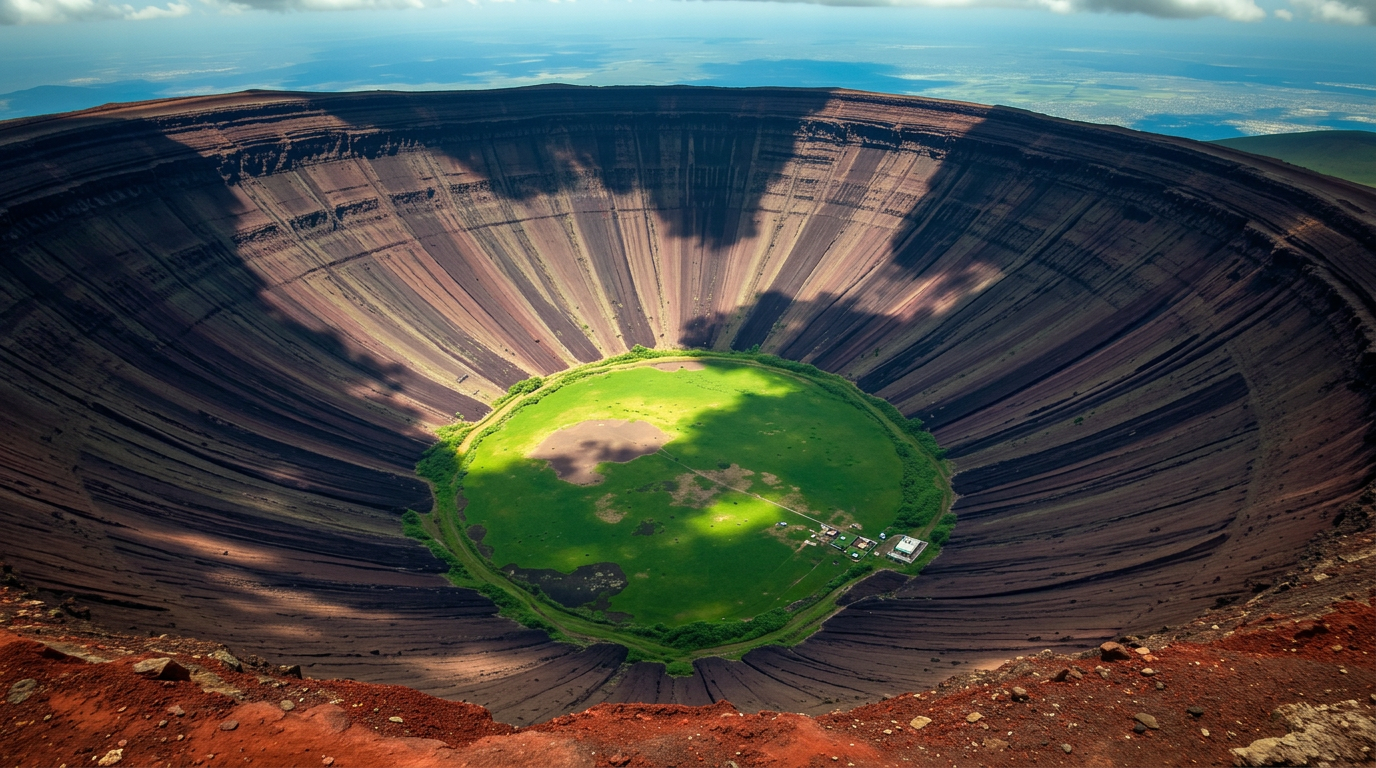
Ngorongoro Conservation Area (inscribed 1979, criteria: natural and cultural) — The Ngorongoro Crater is the world's largest unbroken and unflooded volcanic caldera, measuring 19 kilometres in diameter with walls rising 600 metres. The crater floor supports approximately 25,000 large mammals, including one of the densest populations of wild African black rhinoceros. The NCA also encompasses Olduvai Gorge, one of the most important paleoanthropological sites in the world, and the Laetoli footprints — the earliest evidence of bipedal locomotion (3.66 million years old). The NCA is inscribed under both natural and cultural criteria — one of only a few mixed sites in Africa.
Kilimanjaro National Park (inscribed 1987) — Africa's highest mountain (5,895 metres) is also the world's tallest free-standing mountain, comprising three volcanic cones: Kibo, Mawenzi, and Shira. The park encompasses five distinct ecological zones, from tropical rainforest to arctic summit. Approximately 50,000 people attempt the summit annually, with a success rate of roughly 65%.
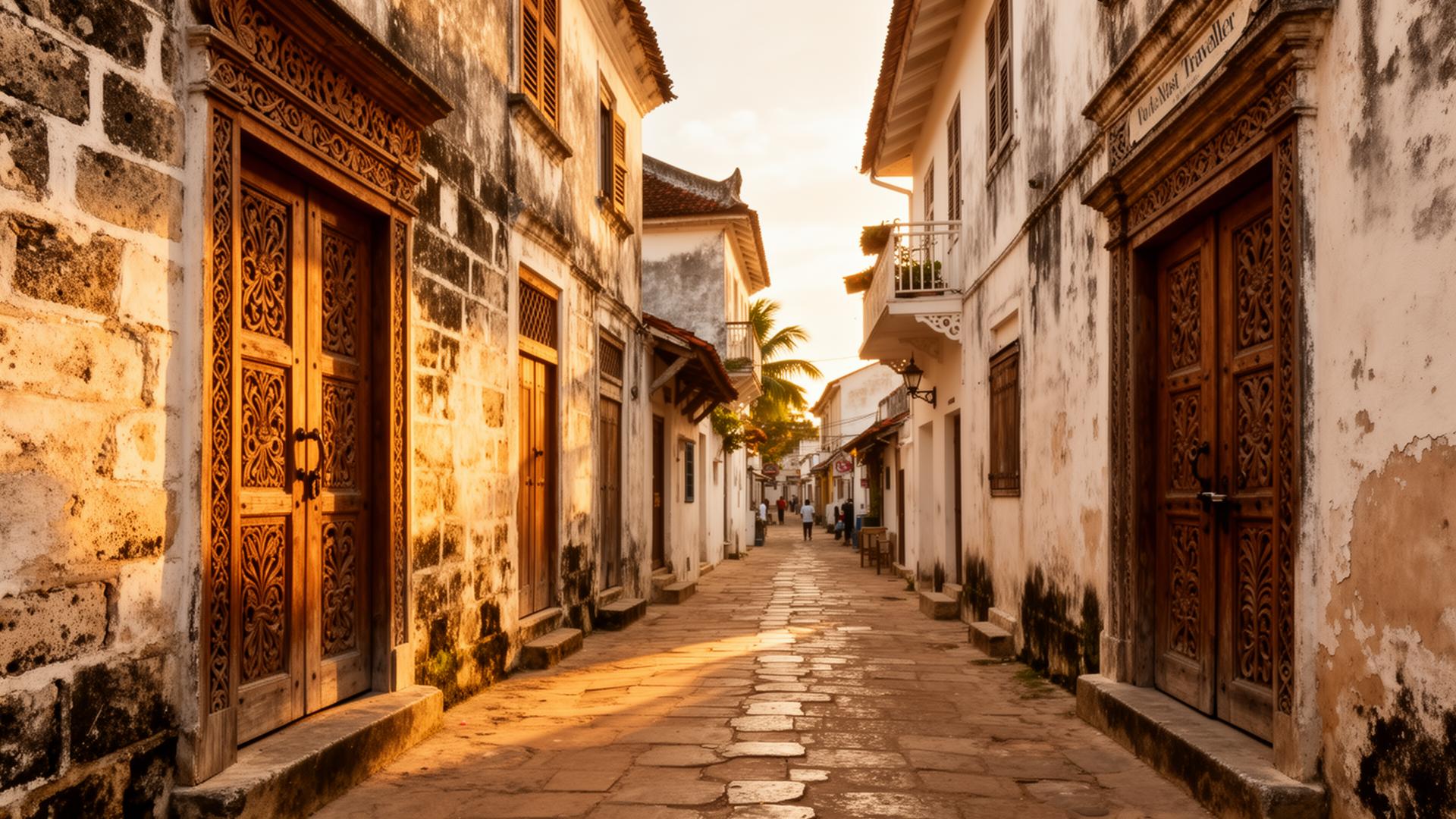
Stone Town of Zanzibar (inscribed 2000) — The historic centre of Zanzibar City is a remarkable example of Swahili coastal trading culture, blending African, Arab, Indian, and European architectural elements over more than 1,000 years. The town's labyrinthine streets contain over 1,700 elaborately carved wooden doors, the Old Fort (built by Omani Arabs in the 17th century), the Palace Museum, and the former slave market site — now the Anglican Cathedral.
Selous Game Reserve (now Nyerere National Park, inscribed 1982, Danger List since 2014) — At approximately 50,000 km², this was one of the largest protected wildlife areas in Africa. Heavy poaching of elephants led to its placement on the UNESCO Danger List.
Ruins of Kilwa Kisiwani and Songo Mnara (inscribed 1981, Danger List) — These medieval Swahili trading cities on islands off Tanzania's southern coast were among the most prosperous centres of East African maritime trade from the 11th to 16th centuries.
Kondoa Rock-Art Sites (inscribed 2006) — A collection of over 150 rock shelters in central Tanzania containing rock art spanning approximately 2,000 years, from naturalistic depictions of animals and human figures to more recent geometric and abstract designs.
Tanzania UNESCO Sites Summary
- Total Sites
- 7 inscribed
- Natural Sites
- Serengeti, Kilimanjaro, Selous
- Mixed Site
- Ngorongoro (natural + cultural)
- Cultural Sites
- Stone Town, Kilwa, Kondoa
- On Danger List
- Selous, Kilwa
- First Inscribed
- 1979 (Ngorongoro)
Kenya: From Fossil Beds to Flamingo Lakes
Kenya's UNESCO World Heritage Sites reflect the country's dual significance as both a cradle of human evolution and a region of extraordinary natural beauty. The country holds seven inscribed properties.
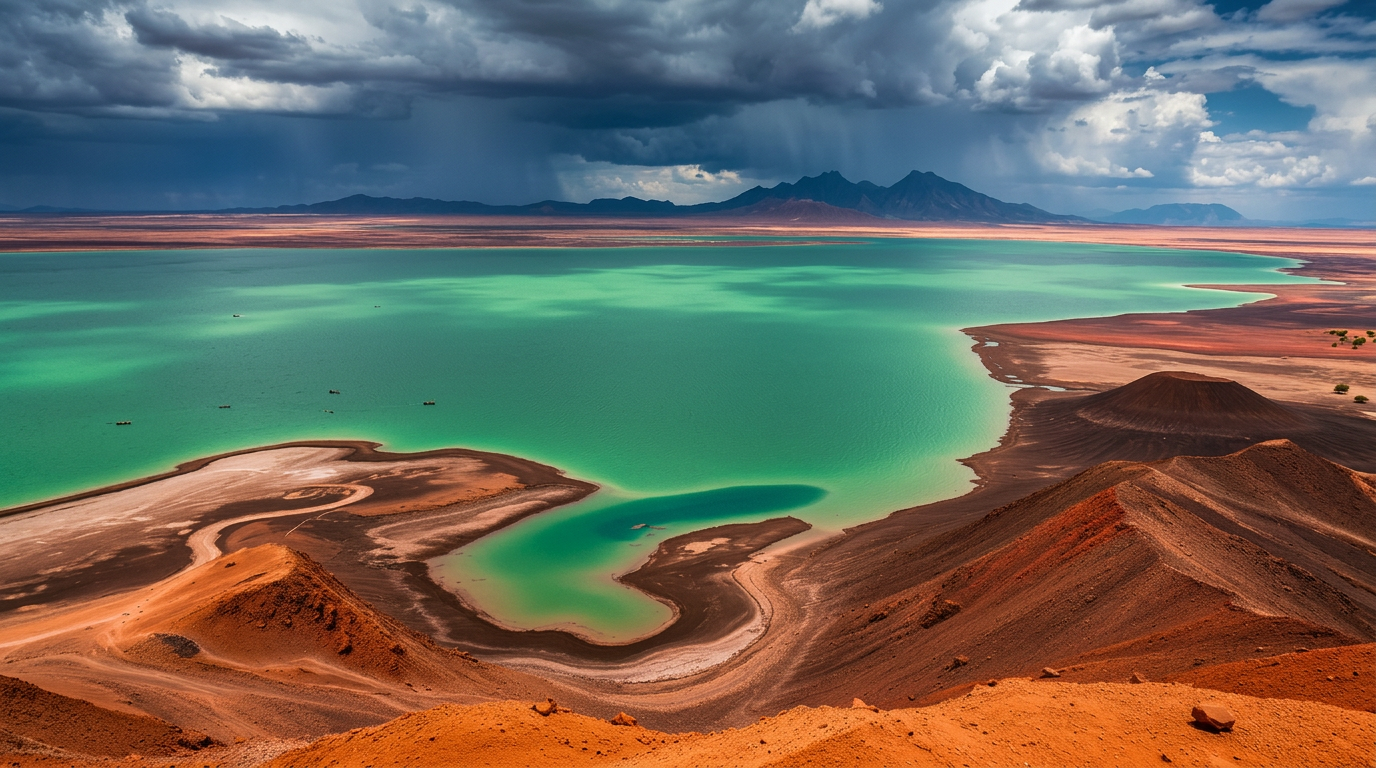
Lake Turkana National Parks (inscribed 1997, 2001) — Comprising Sibiloi National Park, Central Island, and South Island, this property preserves the world's largest permanent desert lake and one of the most important sites for the study of human origins. The Koobi Fora formation has yielded over 200 hominin fossils, including the famous KNM-ER 1470 (Homo rudolfensis) cranium. The lake itself — the Jade Sea — supports Nile crocodile populations, hippopotamus, and diverse birdlife.
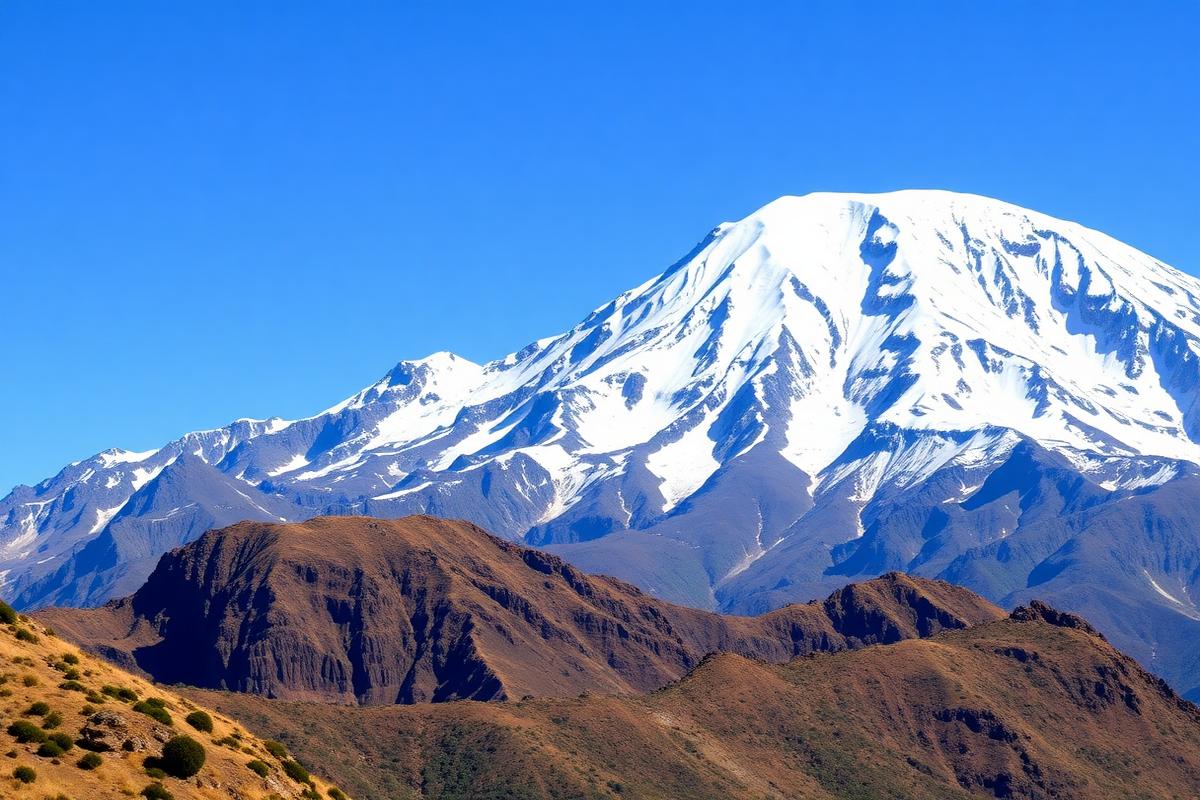
Mount Kenya National Park/Natural Forest (inscribed 1997) — Africa's second-highest mountain (5,199 metres) is an extinct stratovolcano with glaciers, alpine lakes, and unique high-altitude flora including giant groundsels and lobelias. The park is a UNESCO Biosphere Reserve and a critical water catchment for millions of Kenyans.
Kenya Lake System in the Great Rift Valley (inscribed 2011) — Comprising Lakes Bogoria, Nakuru, and Elementaita, this serial property protects a chain of alkaline lakes that support globally significant populations of lesser flamingos — at times hosting up to 1.5 million birds simultaneously. The lakes are critical habitats for 13 globally threatened bird species.
Lamu Old Town (inscribed 2001) — The oldest and best-preserved Swahili settlement in East Africa, Lamu has maintained its cultural integrity for over 700 years. The town's architecture — featuring characteristic narrow streets, coral stone buildings, and intricately carved lamu doors — reflects centuries of Swahili, Arab, Persian, and Indian cultural interaction.
Sacred Mijikenda Kaya Forests (inscribed 2008) — A serial property of 11 separate forest sites along the Kenya coast, the Kayas are fortified villages established by the Mijikenda peoples beginning in the 16th century. The forests now serve as sacred groves maintained by community elders.
Fort Jesus, Mombasa (inscribed 2011) — Built by the Portuguese in 1593 to secure the port of Mombasa, Fort Jesus is one of the most outstanding examples of 16th-century Portuguese military architecture. Its history reflects the shifting control of the East African coast between Portuguese, Omani Arab, and British powers.
Thimlich Ohinga Archaeological Site (inscribed 2018) — A complex of dry stone-walled enclosures in western Kenya, Thimlich Ohinga represents one of the best-preserved examples of pre-colonial stone construction in sub-Saharan Africa, dating to the 15th–16th centuries.
Key Takeaways
- •Kenya holds 7 UNESCO World Heritage Sites spanning natural and cultural heritage.
- •Lake Turkana has yielded over 200 hominin fossils critical to understanding human evolution.
- •The Kenya Lake System supports up to 1.5 million flamingos simultaneously.
- •Lamu Old Town is the oldest continuously inhabited Swahili settlement in East Africa.
Ready to plan your East Africa trip?
Let our experts craft your perfect itinerary based on your interests.
Uganda: Gorillas, Tombs, and Mountains of the Moon
Uganda's three UNESCO World Heritage Sites represent the country's exceptional biodiversity and rich cultural heritage.
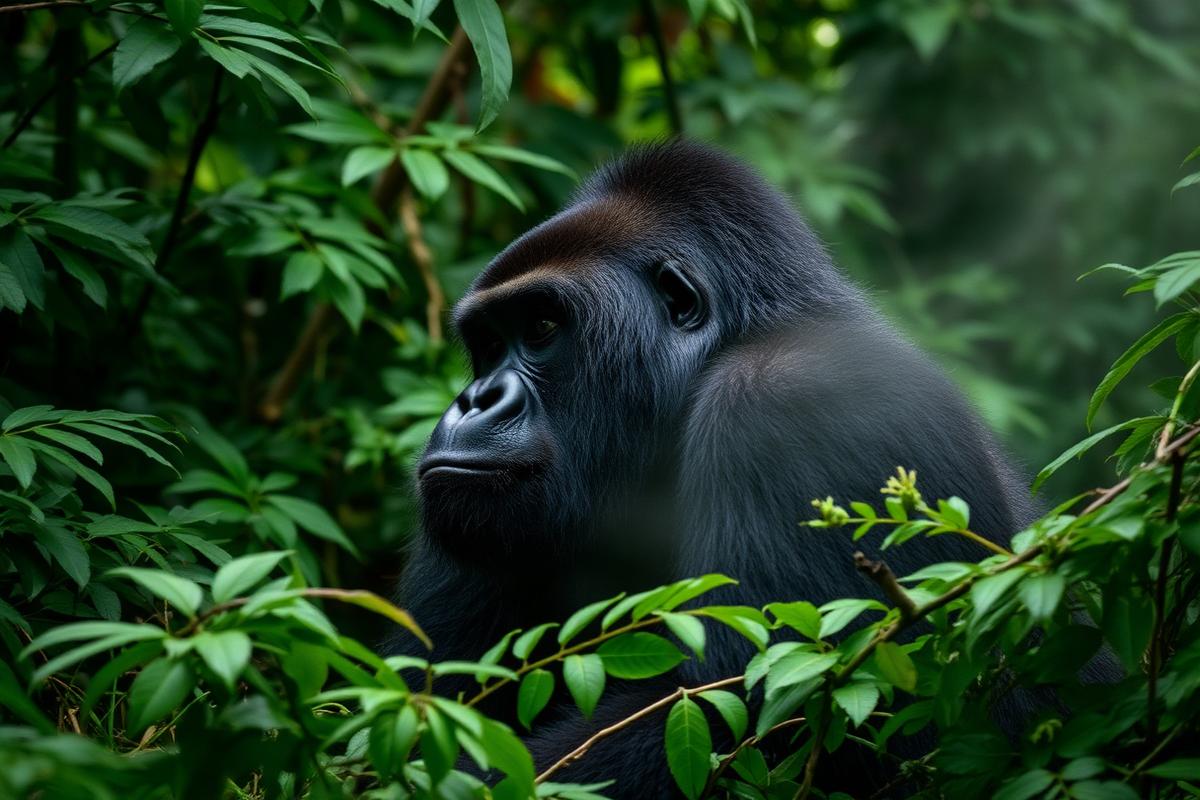
Bwindi Impenetrable National Park (inscribed 1994) — This 331 km² tropical rainforest in southwestern Uganda, perched on the edge of the Albertine Rift, is one of the most biologically diverse areas on Earth. It is best known as home to approximately 459 mountain gorillas — roughly half of the world's total population of approximately 1,063 individuals. The park also shelters over 120 mammal species, 350 bird species (including 23 Albertine Rift endemics), and over 1,000 flowering plant species. Gorilla trekking in Bwindi is widely regarded as one of Africa's most transformative wildlife experiences.
Rwenzori Mountains National Park (inscribed 1994) — The Rwenzori range, known in antiquity as the "Mountains of the Moon" (the term appears in Ptolemy's 2nd-century CE Geography), includes Africa's third-highest peak — Margherita Peak at 5,109 metres on Mount Stanley. The mountains support unique Afro-alpine vegetation, including giant heathers, groundsels, and lobelias, and are a critical water source for the region.
Tombs of Buganda Kings at Kasubi (inscribed 2001, Danger List since 2010) — The burial grounds of four Kabakas (kings) of the Buganda Kingdom represent one of the most important cultural sites in sub-Saharan Africa. The main building, the Muzibu-Azaala-Mpanga, was one of the largest structures in East Africa built entirely of organic materials before a devastating fire in 2010. Reconstruction using traditional techniques continues.
Did You Know?
Mountain gorilla populations have increased from approximately 620 individuals in 1989 to over 1,063 today — making it one of the few conservation success stories where a critically endangered great ape species has shown sustained population growth.
Ethiopia: The Ancient Crossroads
Ethiopia holds the largest number of UNESCO World Heritage Sites in Africa, reflecting its status as one of the oldest continuously inhabited regions on Earth and the only African country never formally colonised. With nine inscribed properties (as of 2026), Ethiopia's heritage spans from the earliest chapters of human evolution to medieval Christian civilization.
Simien Mountains National Park (inscribed 1978) — A dramatic landscape of jagged peaks, deep valleys, and sheer cliffs rising to 4,533 metres (Ras Dashen, Ethiopia's highest point). The park is home to the endemic Gelada baboon, the Ethiopian wolf (the world's rarest canid), and the Walia ibex.
Rock-Hewn Churches of Lalibela (inscribed 1978) — Eleven monolithic churches carved directly into volcanic rock in the 12th–13th centuries, reportedly commissioned by King Lalibela to create a "New Jerusalem." The churches remain active places of worship and are considered one of the most remarkable architectural achievements in Africa.
Lower Valley of the Awash (inscribed 1980) — This paleontological site in the Afar Triangle has yielded some of the most significant hominin fossils ever discovered, including the 3.2-million-year-old Australopithecus afarensis skeleton known as "Lucy" (Dinkinesh in Amharic, meaning "you are wonderful").
Aksum (inscribed 1980) — The ruins of the ancient Aksumite Empire (1st–7th centuries CE), including massive granite stelae (obelisks), royal tombs, and the reputed resting place of the Ark of the Covenant at the Church of Our Lady Mary of Zion.
Lower Valley of the Omo (inscribed 1980) — A prehistoric site near Lake Turkana that has yielded Homo sapiens fossils dating to approximately 195,000 years ago — among the oldest known anatomically modern humans.
Fasil Ghebbi (Gondar) (inscribed 1979) — The 17th-century fortress-city of Ethiopian emperors, featuring castles, palaces, and churches that blend Ethiopian, Portuguese, and Indian architectural influences.
Tiya (inscribed 1980) — A group of 36 carved stelae in central Ethiopia, part of a larger archaeological zone of approximately 160 stele sites whose exact purpose remains debated.
Harar Jugol (inscribed 2006) — The fortified historic town of Harar in eastern Ethiopia, considered the fourth-holiest city in Islam, with 82 mosques and over 100 shrines within its medieval walls.
Konso Cultural Landscape (inscribed 2011) — A 55 km² landscape in southern Ethiopia demonstrating 400 years of terraced agriculture and unique memorial statues (waka).
Ethiopia UNESCO Sites
- Total Sites
- 9 inscribed (most in Africa)
- Natural
- Simien Mountains
- Cultural
- Lalibela, Aksum, Gondar, Harar
- Paleontological
- Awash Valley, Omo Valley
- First Inscribed
- 1978 (Simien, Lalibela)
- Oldest Fossils
- ~195,000 years (Omo)
Rwanda and the Indian Ocean Islands
Rwanda
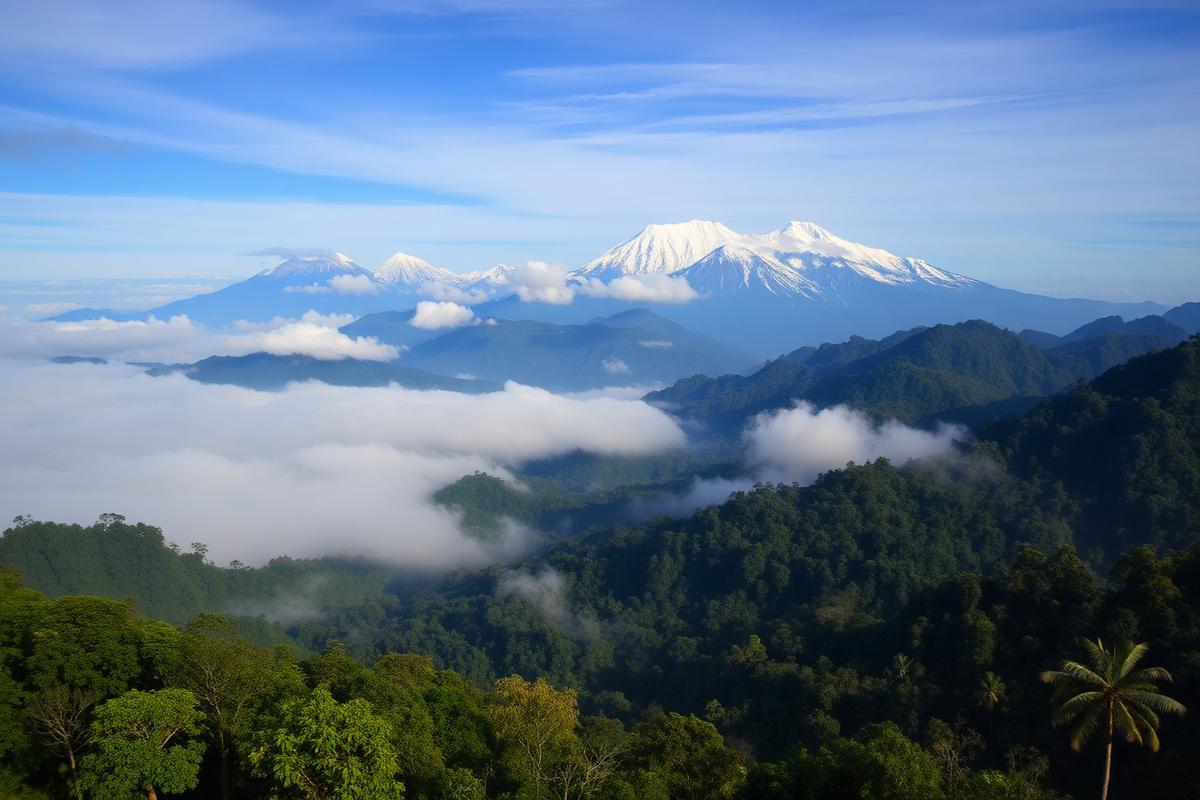
Rwanda's Tentative List includes the Nyungwe National Park (one of Africa's oldest montane rainforests), the Volcanoes National Park (home to mountain gorillas), and several cultural sites. As of 2026, Rwanda does not yet have an inscribed World Heritage Site, though the nomination processes are progressing.The Memorial Sites of the Genocide — including the Kigali Genocide Memorial — represent a different but equally important dimension of heritage: sites of memory and reconciliation that document one of the 20th century's most devastating events.
Seychelles
Aldabra Atoll (inscribed 1982) — One of the world's largest raised coral atolls, home to approximately 100,000 giant Aldabra tortoises — the world's largest population of giant tortoises. The atoll is virtually untouched by human activity.Vallée de Mai Nature Reserve (inscribed 1983) — A pristine palm forest on Praslin island, home to the endemic Coco de Mer palm (Lodoicea maldivica), which produces the world's largest seed (up to 25 kg). The forest has been described as a "living museum" of the unique flora of the Seychelles.
Mauritius
Aapravasi Ghat (inscribed 2006) — A former immigration depot in Port Louis where indentured labourers from India, China, and Southeast Asia arrived between 1834 and 1920, following the abolition of slavery. The site bears testimony to one of the great human migrations of the 19th century.Le Morne Cultural Landscape (inscribed 2008) — A dramatic basalt mountain on the southwestern tip of Mauritius that served as a refuge for runaway slaves (maroons) in the 18th and 19th centuries. The mountain has become a symbol of resistance to slavery and is central to Mauritian identity.
Key Takeaways
- •Rwanda is progressing nominations for Nyungwe and Volcanoes National Park.
- •Seychelles' Aldabra Atoll hosts ~100,000 giant tortoises — the world's largest population.
- •Mauritius' Le Morne mountain is a global symbol of resistance to slavery.
- •The Vallée de Mai contains the world's largest seed — the Coco de Mer (up to 25 kg).
Ready to plan your East Africa trip?
Let our experts craft your perfect itinerary based on your interests.
Conservation Challenges and the Danger List
Several East African World Heritage Sites face significant conservation challenges that have led to their placement on UNESCO's List of World Heritage in Danger or that threaten their outstanding universal value.
Climate change represents the most pervasive long-term threat. Glacial retreat on Mount Kenya, Kilimanjaro, and the Rwenzoris is dramatically altering high-altitude ecosystems. Mount Kenya's Lewis Glacier has lost over 90% of its area since 1934. Rising temperatures are also affecting the phenology of migration patterns in the Serengeti-Mara ecosystem and altering the hydrology of the Rift Valley lakes.
Poaching has severely impacted several sites. The Selous Game Reserve (Nyerere National Park) was placed on the Danger List in 2014 after elephant populations declined from an estimated 109,000 in 1976 to approximately 13,000 by 2013 — a loss driven primarily by ivory poaching. Conversely, coordinated anti-poaching efforts in the gorilla forests of Bwindi and Volcanoes NP have achieved remarkable success.
Infrastructure development poses threats to several sites. Proposed roads and railways through the Serengeti have sparked international conservation campaigns. The Gibe III Dam on Ethiopia's Omo River has altered the hydrology of Lake Turkana, threatening both the lake ecosystem and the archaeological deposits along its shores.
Urban encroachment affects cultural sites, particularly Stone Town and Lamu Old Town, where modernization pressures, rising sea levels, and the challenges of maintaining historic buildings with traditional materials create ongoing conservation dilemmas.
Despite these challenges, East Africa's heritage sites benefit from strong institutional frameworks, international partnerships, and growing recognition of the economic value of heritage tourism. Community-based conservation models, such as those implemented around Bwindi and in Kenya's Rift Valley, demonstrate that heritage protection and local livelihoods can be mutually reinforcing.
Did You Know?
Heritage tourism generates an estimated $4.5 billion annually across East Africa, making UNESCO World Heritage Sites not only cultural treasures but economic engines that support millions of livelihoods.
Planning Your UNESCO Heritage Journey
A well-planned East African itinerary can encompass multiple UNESCO World Heritage Sites across several countries, combining natural spectacles with cultural immersion.
Multi-Country Heritage Circuit (14–21 days)
Week 1 — Tanzania: Serengeti → Ngorongoro → Kilimanjaro viewpoint → Stone Town Week 2 — Kenya: Lake Nakuru/Bogoria → Mount Kenya → Lamu (fly) Week 3 — Uganda/Rwanda: Bwindi gorilla trek → Kasubi Tombs → Volcanoes NPEssential Planning Tips
- Timing: June–October is the best overall period for wildlife-focused heritage visits. Cultural sites are accessible year-round.
- Permits: Gorilla trekking permits (Uganda $800, Rwanda $1,500) must be booked 3–6 months in advance.
- Visas: The East Africa Tourist Visa ($100) covers Kenya, Uganda, and Rwanda — ideal for multi-country heritage trips.
- Photography: Most heritage sites welcome photography; some cultural sites may restrict interior photography.
- Guides: Local guides at UNESCO sites provide essential context. Budget $20–50 per site for quality guided tours.
Responsible Heritage Tourism
- Follow all site-specific regulations regarding access, photography, and behaviour
- Support community-based tourism initiatives adjacent to heritage sites
- Choose operators who contribute to conservation and local development
- Report any observed damage or inappropriate activities to site authorities
Heritage Tourism Essentials
- Best Season
- Jun–Oct (wildlife + dry)
- Multi-Country Visa
- East Africa Tourist Visa $100
- Uganda Gorilla Permit
- $800 per person
- Rwanda Gorilla Permit
- $1,500 per person
- Total UNESCO Sites
- 30+ across region
- Budget Guide Fee
- $20–50 per site