
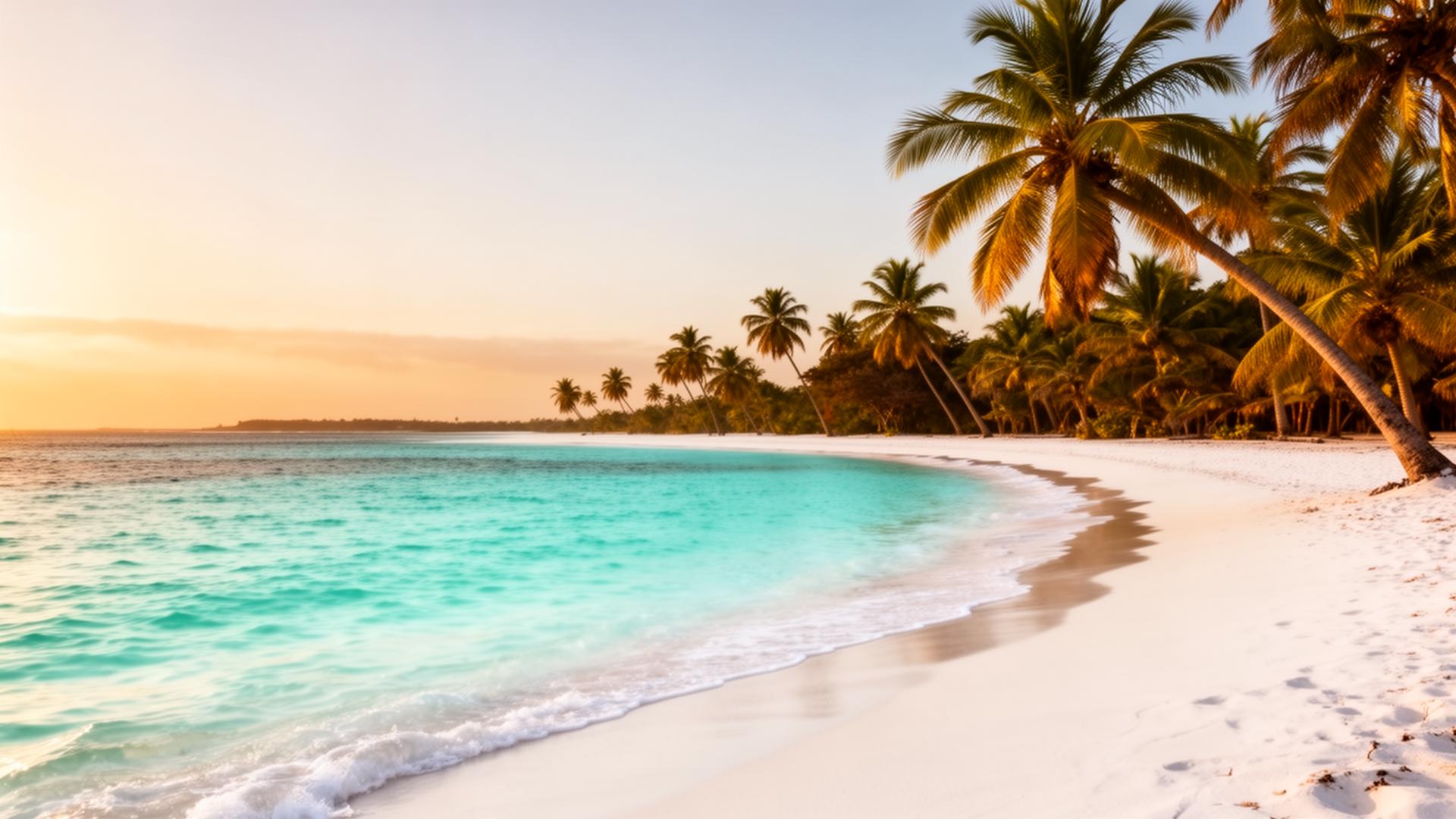
Mauritius and Seychelles are often seen purely as beach destinations, but beneath the postcard-perfect surfaces lie two of Africa's most sophisticated economies. Both nations are pioneering diversification strategies that offer lessons for island nations worldwide — and understanding their economic stories enriches the travel experience immeasurably.
Mauritius: The African Tiger
Mauritius has been called the 'African Tiger' for its remarkable economic transformation. Since independence in 1968, it has evolved from a sugar-dependent economy to a diversified powerhouse spanning financial services, ICT, manufacturing, and real estate alongside tourism. The country consistently ranks as Africa's most competitive economy and highest on the Human Development Index. For visitors, this translates to exceptional infrastructure, world-class cuisine, and a multicultural society blending Indian, African, European, and Chinese influences. Mauritius demonstrates that a small island nation can compete globally.
Seychelles: Blue Economy Pioneer
Seychelles has positioned itself as a global leader in the 'blue economy' — the sustainable use of ocean resources. With an Exclusive Economic Zone 3,000 times larger than its land area, the country has created the Indian Ocean's largest marine protected area, covering 30% of its waters. This isn't just environmental policy; it's economic strategy. Sustainable fisheries, marine biotechnology, and conservation tourism generate revenue while protecting the ecosystems that attract visitors. Seychelles' Debt-for-Nature swap — restructuring sovereign debt in exchange for marine conservation commitments — is now studied as a model for climate finance.
Tourism's Evolving Role
While both nations are diversifying, tourism remains crucial — and is itself being reimagined. Mauritius is pivoting from mass beach tourism to high-value experiences: wellness retreats, gastro-tourism, cultural heritage trails, and sustainable adventure activities. Seychelles has always maintained a low-volume, high-value approach, with strict environmental standards for all tourism developments. Both destinations increasingly attract 'conscious travellers' who value ecological responsibility and cultural authenticity alongside comfort and beauty.
Lessons in Resilience
The COVID-19 pandemic exposed the vulnerability of tourism-dependent economies worldwide. Both Mauritius and Seychelles were hit hard when borders closed. Their diversification strategies — already in progress — accelerated. Mauritius's tech sector grew significantly during the pandemic, while Seychelles invested in sustainable fisheries. The lesson for travellers is that these destinations are far more than beaches; they represent sophisticated, resilient societies that have navigated extraordinary challenges. Engaging with these deeper stories — visiting fintech hubs in Port Louis, exploring community fisheries in Praslin — enriches travel beyond the resort walls.
What This Means for Visitors
Understanding island economies transforms how you experience Mauritius and Seychelles. Visit Port Louis's Caudan Waterfront to see Mauritius's commercial vitality. Explore Victoria Market in Seychelles to taste the local fishing economy. Seek out community-based tourism initiatives that let you meet entrepreneurs beyond the hospitality sector. These experiences reveal the ambition, creativity, and resilience of island communities — and they create travel memories far richer than any beach sunset alone.