
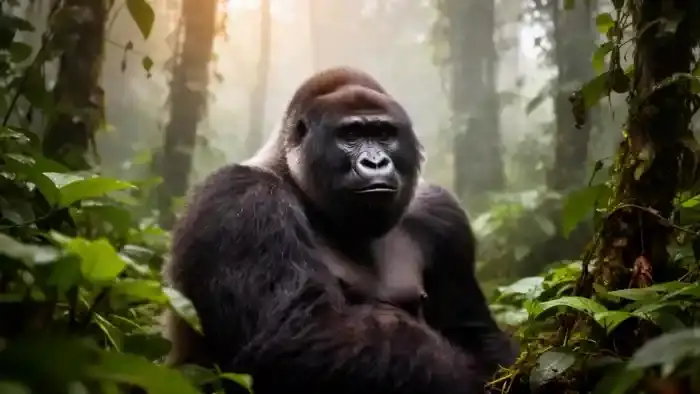
Rwanda's approach to conservation is a masterclass in aligning economic incentives with environmental protection. By sharing tourism revenue directly with communities living near gorilla habitats, Rwanda has turned former poachers into protectors and transformed one of the world's most endangered species into a conservation success story.
The Revenue-Sharing Model
Rwanda allocates 10% of all national park revenue directly to communities bordering protected areas. This translates to millions of dollars annually funding schools, health clinics, clean water systems, and cooperative enterprises. The message is clear: when wildlife thrives, communities prosper. This model has been so successful that it's now being studied and replicated across Africa. Before this programme, gorilla poaching was driven not by malice but by poverty — farmers saw wildlife as competition for land and resources. Revenue sharing transformed that equation.
From Poacher to Protector
Some of the most effective gorilla trackers and conservation advocates in Volcanoes National Park are former poachers. Programmes like the Rwanda Development Board's ex-poacher rehabilitation initiative provide alternative livelihoods, training, and community respect. These individuals possess unmatched knowledge of gorilla behaviour and forest terrain, making them invaluable as guides and monitors. Their stories — of transformation from survival-driven poaching to passionate conservation — are among the most powerful narratives in modern wildlife protection.
Gorilla Numbers Tell the Story
When conservation efforts intensified in the early 2000s, mountain gorillas numbered fewer than 700 worldwide. Today, that number has surpassed 1,000 — the first great ape species to be downlisted from 'Critically Endangered' to 'Endangered.' Rwanda's population in Volcanoes National Park has grown steadily, with new births celebrated as national events. Veterinary intervention teams monitor gorilla health, remove snares, and treat injuries. The success is remarkable: a species once on the brink of extinction is now slowly recovering.
Tourism as Conservation Currency
Rwanda's $1,500 gorilla trekking permit is deliberately high — and deliberately effective. The revenue funds anti-poaching patrols, veterinary care, community development, and habitat protection. Importantly, the high price also limits visitor numbers, reducing human impact on gorilla families. Each gorilla family is visited by a maximum of eight people for one hour per day. This controlled approach ensures that tourism supports rather than threatens the species — a model that balances access with preservation in ways that mass tourism cannot.
Lessons for Global Conservation
Rwanda's model offers lessons far beyond East Africa. It demonstrates that conservation succeeds when local communities are genuine stakeholders — not when they're excluded from the benefits of the wildlife on their doorstep. The country's approach to gorilla conservation has become a blueprint for community-based natural resource management worldwide, proving that the most sustainable conservation strategy is one where protecting nature and improving human lives are the same goal.